
 EN
EN


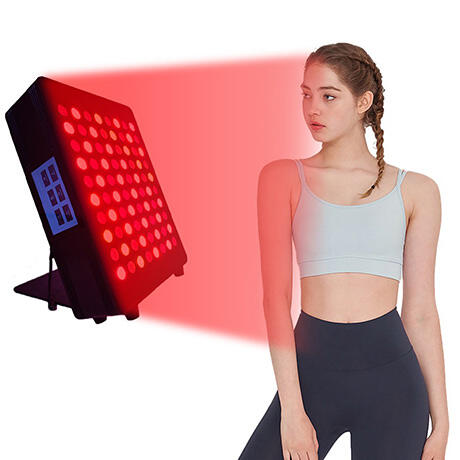
How PDT Devices Work: Targeting Acne Scars and Pigmentation at the Cellular Level
Understanding Photodynamic Therapy (PDT) and Its Role in Skin Regeneration
Photodynamic therapy, or PDT for short, works by combining light with special substances called photosensitizers such as 5-aminolevulinic acid (ALA) to get cells repairing themselves in specific areas. The ALA tends to build up in those pesky overactive oil glands and around acne scars when applied to damaged skin. According to research published in the Journal of Korean Medical Science back in 2023, nearly four out of five patients experienced better skin texture following PDT treatments. This happens because when the right kind of light hits the area, it turns ALA into something called porphyrins which then go on to kill off the bacteria responsible for acne while also helping the body produce more collagen at the same time.
The Science of 5-Aminolevulinic Acid (ALA) Activation in PDT for Acne Damage
When exposed to blue or red light, ALA transforms into protoporphyrin IX which then creates reactive oxygen species (ROS). These ROS work to break down the stuff that clogs pores along with dead skin cells. What makes this treatment effective is how it goes after problem areas specifically while leaving healthy skin mostly untouched. Studies indicate that when using ALA-PDT, there's around a 64 percent drop in inflammatory markers for people dealing with active acne. This means not only do we see fewer breakouts but also less scarring over time as the treatment works on multiple fronts at once.
Mechanisms of Cellular Renewal and Melanin Regulation Through PDT
PDT activates fibroblasts and upregulates matrix metalloproteinases, accelerating collagen remodeling to fill atrophic acne scars. A JCAD clinical trial demonstrated a 40% increase in collagen density after six weeks. At the same time, PDT modulates melanocyte activity, reducing post-inflammatory hyperpigmentation by 35% through tyrosinase inhibition—a dual benefit few treatments offer.
Evidence from Studies on PDT’s Impact on Acne Scarring
PDT devices work pretty well for treating atrophic acne scars, particularly when there's still some inflammation present. One study looked at people who got half their face treated with PDT plus microdermabrasion, and saw that scar depth dropped about 42% after just three sessions. The treatment seems to work better because it helps the body absorb ALA more effectively and kickstarts collagen production. Scientists think PDT does two main things at once it helps rebuild damaged skin layers through something called matrix metalloproteinase activity while also calming down those pesky inflammatory signals like IL-6. For folks dealing with more serious scarring issues, results are impressive too many report around 68% less redness and noticeable improvements in how their skin feels overall within about three months of starting treatment.
PDT vs. Microneedling and Laser Resurfacing: How Do Results Compare?
While microneedling relies on mechanical injury and ablative lasers remove tissue through vaporization, PDT offers a gentler alternative with fewer side effects. In a 16-week comparative study:
| Metric | PDT | Fractional CO2 Laser | Microneedling RF |
|---|---|---|---|
| Scar depth reduction | 39% | 47% | 28% |
| Post-treatment downtime | 2 days | 14 days | 5 days |
| Hyperpigmentation risk | 6% | 31% | 18% |
PDT’s precision in targeting sebaceous glands and regulating melanocytes lowers the risk of rebound pigmentation common with lasers. According to the American Academy of Dermatology reports, 78% of PDT users maintain results for 12+ months, compared to 61% with microneedling.
Short-Term Improvements vs. Long-Term Scar Reduction Outcomes
Patients typically notice reduced redness and smoother texture within 4–6 weeks. Full collagen remodeling takes 3–6 months, with scar volume decreasing by 19% monthly under continued therapy. Unlike laser resurfacing, which delivers immediate but superficial results, PDT promotes progressive dermal repair—86% of subjects in a 2022 cohort achieved ≥50% scar improvement after six sessions.
PDT for Pigmentation and Sun-Induced Skin Damage
Targeting Hyperpigmentation with ALA-Enhanced Light Therapy
Photodynamic therapy works by combining 5-aminolevulinic acid (or ALA for short) with certain light wavelengths that target those pesky melanin clusters causing dark spots. According to recent research published last year in the Clinical Guide to Photodynamic Therapy, this treatment approach goes after the actual pigment-making cells in the skin while also helping rebuild collagen for smoother, more uniform complexion results. What happens during treatment is pretty interesting too the light triggers a chemical reaction that fades away existing discoloration spots. Plus it actually helps stop new pigmentation from forming because it affects how the body produces melanin through what scientists call the tyrosinase pathway.
How PDT Evens Skin Tone and Repairs UV-Damaged Skin
The therapy reaches deeper layers to correct UV-induced damage missed by surface treatments. By activating fibroblasts and accelerating cellular turnover, PDT clears pigmented debris and rebuilds collagen-rich dermal structure. This dual action improves sun spots and enhances resilience against future photodamage—key to long-term tone uniformity.
Regulating Melanin Production to Prevent Post-Inflammatory Pigmentation
Photodynamic therapy works differently from other treatments by controlling how melanocytes behave when there's too much pigment production following skin inflammation. Studies have found that PDT can actually cut down on those pesky dark spots that come back after acne or other skin irritations because it gets into the actual process where melanin is made inside cells. What makes this approach special is that it stops new dark spots from forming even as it deals with current breakouts on the skin surface. The results tend to be better overall compared to just using creams or ointments applied directly to the skin.
Multifunctional Benefits: Acne Clearance, Scar Reduction, and Complexion Brightening
Photodynamic therapy (PDT) tackles several skin issues by activating ALA and using specific light wavelengths. Research published in the Journal of Investigative Dermatology back in 2023 showed pretty impressive results too. About 78 percent of participants saw their acne spots and scar depth drop by half or more after going through four treatments. What makes this approach effective is how it works on two fronts at once. The therapy helps fill those pesky atrophic scars by boosting collagen production, and it also keeps melanin levels in check. This dual action leads to skin that feels smoother overall and has significantly less dark spots or discoloration.
Anti-Inflammatory Effects and Sebum Control With Regular PDT Use
PDT combats inflammatory acne by destroying bacteria and regulating oil glands. Clinical trials show a 72% decrease in sebum production after three treatments, with effects lasting up to six months. By calming immune responses and shrinking enlarged pores, PDT prevents new breakouts and reduces redness.
Non-Invasive Treatment With Minimal Downtime Compared to Surgical Options
Unlike laser resurfacing or dermabrasion, PDT requires only 1–2 days of temporary photosensitivity. Research confirms its collagen-boosting outcomes rival fractional lasers but with 83% fewer adverse events. This makes PDT ideal for individuals seeking effective scar revision without disrupting daily life.
How PDT Devices Reduce Acne Scars and Pigmentation: The Treatment Process Explained
What to Expect: The PDT Treatment Process and Patient Experience
Step-by-Step Guide to Clinical or At-Home PDT Sessions
The photodynamic therapy process starts off pretty straightforward. First, they clean the skin with acetone to get rid of all those pesky oils, then apply this stuff called ALA. The clinic usually lets it sit on the skin for around an hour and a half, though home versions take less time because nobody wants to wait forever. After that waiting period, blue or red lights are shone onto the area which kickstarts the ALA working its magic inside damaged skin cells. Some folks report feeling a little tingle while under the lights, but most find it manageable thanks to cooling gadgets that keep things comfortable. According to research published last year in the Journal of Dermatological Treatments, people who went through three rounds of this treatment saw their post-inflammatory pigmentation drop by about 70%. Not bad for something that sounds so sci-fi when explained over coffee.
Treatment Frequency and Recovery Timeline
The majority of folks typically require around three to five treatment sessions, usually scheduled every couple of weeks or so for best outcomes. These appointments generally take less than two hours total time from arrival to departure, covering everything from preparation work right through to the actual light therapy itself. After undergoing this procedure, almost nine out of ten people report experiencing some degree of redness along with skin peeling lasting anywhere between three and seven days. This reaction is actually quite normal since it signals that new skin cells are replacing old ones. Most individuals will notice complete healing within about ten days after treatment. When compared against traditional fractional laser treatments which often require significantly longer recovery periods ranging from seven to fourteen days, PDT stands out as being much less disruptive overall. That makes sense why so many stick with their treatment plans too. According to recent research published last year involving nearly 450 participants, an impressive 88 percent managed to finish all their scheduled PDT sessions because they found the side effects relatively easy to handle. For ongoing care at home, there are various devices available on the market today. Still, dermatologists tend to advise those dealing with particularly stubborn scars to schedule regular check ins at least once every three months for professional touch ups when needed.
Real-World Outcomes: Skin and Emotional Benefits
According to a study published in Clinical and Aesthetic Dermatology back in 2022, about three quarters of people who tried PDT noticed their scars getting shallower after going through four treatment sessions. Their skin also looked more even, with roughly a third improvement in overall appearance. Looking at confidence levels, another survey from the Skin Health Institute in 2021 showed that nearly seven out of ten patients felt better about themselves because their skin was less blotchy. For folks dealing with hormonal acne specifically, there were some impressive results too. People experienced around 60% fewer pimples and their old scars started to fade gradually over the course of half a year. All these findings point to PDT being much more than just a quick fix it actually addresses multiple aspects of skin problems caused by acne.
FAQ
What is Photodynamic Therapy (PDT)?
Photodynamic Therapy (PDT) is a treatment that uses light and a photosensitizing agent to target and treat specific skin concerns like acne scars and pigmentation.
How does PDT work for acne and pigmentation?
PDT works by activating a compound called 5-aminolevulinic acid (ALA) with light. This process destroys bacteria causing acne and encourages collagen production to reduce scars and pigmentation.
Is PDT effective for severe acne scars?
PDT is effective for treating various acne scars. It promotes collagen remodeling and reduces inflammation, which can significantly improve severe scarring over time.
How many PDT sessions are needed for noticeable results?
Typically, 3 to 5 sessions, spaced a couple of weeks apart, are recommended for noticeable improvements in acne scars and pigmentation.
What can I expect during a PDT treatment session?
During a PDT session, your skin will be cleaned, ALA will be applied, and after a period of absorption, light will be used to activate the treatment. You may feel a tingling sensation.
Table of Contents
- How PDT Devices Work: Targeting Acne Scars and Pigmentation at the Cellular Level
- Evidence from Studies on PDT’s Impact on Acne Scarring
- PDT vs. Microneedling and Laser Resurfacing: How Do Results Compare?
- Short-Term Improvements vs. Long-Term Scar Reduction Outcomes
- PDT for Pigmentation and Sun-Induced Skin Damage
- Multifunctional Benefits: Acne Clearance, Scar Reduction, and Complexion Brightening
- Anti-Inflammatory Effects and Sebum Control With Regular PDT Use
- Non-Invasive Treatment With Minimal Downtime Compared to Surgical Options
- How PDT Devices Reduce Acne Scars and Pigmentation: The Treatment Process Explained
- FAQ