
 EN
EN


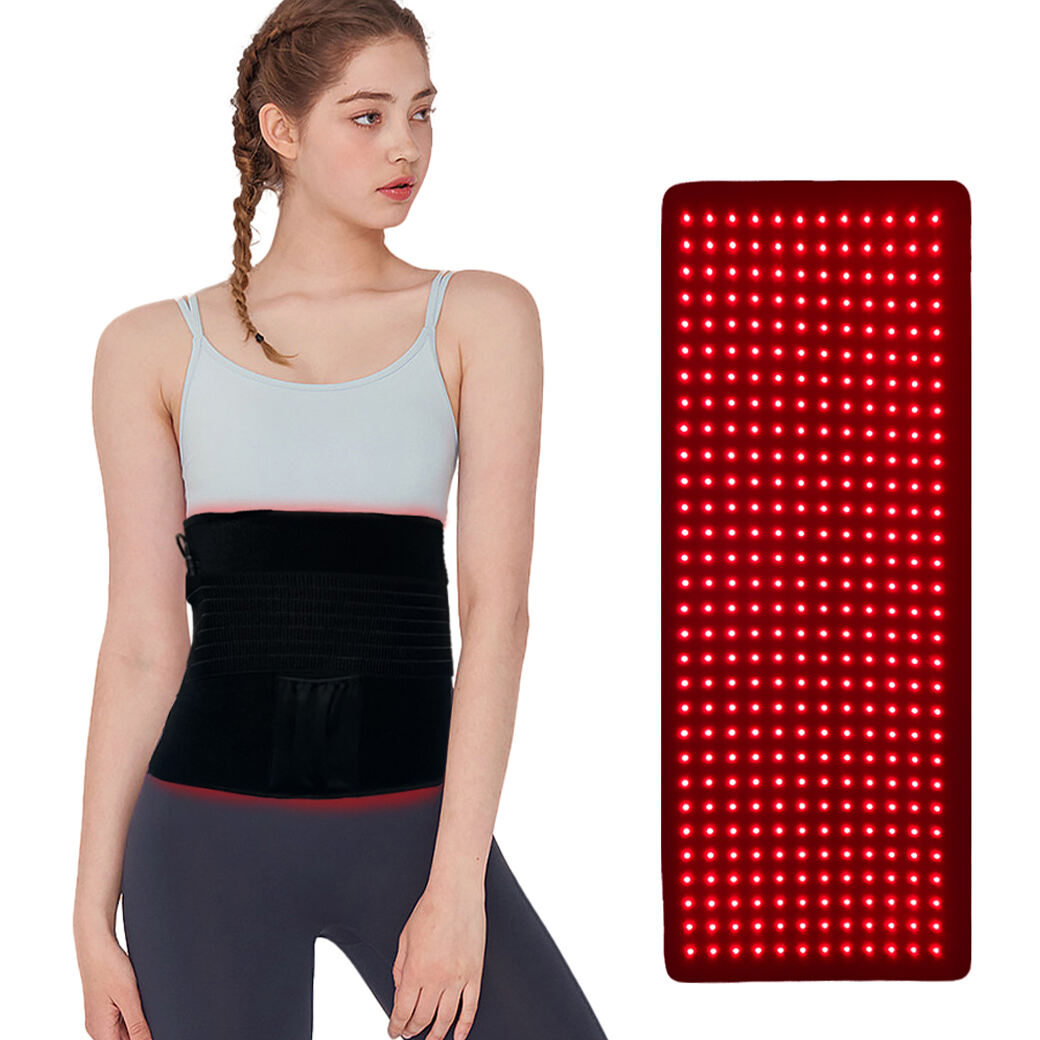
How PDT Devices Work and Their Impact on Sensitive Skin
What Is a PDT Device and How Does It Target Skin Conditions?
Photodynamic therapy (PDT) devices combine photosensitizing agents with targeted light wavelengths to treat skin conditions. The process involves three phases:
- A photosensitizer (often a topical gel or cream) is applied to the skin.
- During a 30-minute to 3-hour incubation period, the agent concentrates in abnormal cells.
- A specific light wavelength activates the compound, generating reactive oxygen species (ROS) that destroy damaged cells while sparing healthy tissue.
This mechanism explains PDT's precision for treating actinic keratosis and acne with minimal scarring risk compared to invasive procedures .
The Role of Light Sensitivity in PDT Treatment Outcomes
The effectiveness and potential side effects of light therapy depend heavily on two factors: the wavelength of light used and how long someone is exposed to it. When dealing with sensitive skin, shorter treatment times around 30 to 60 minutes seem to cut down on those annoying sensitivity reactions. A recent study from last year looked at this by doing split face tests where they compared regular PDT methods with ones done during daylight hours. For folks with really reactive complexions, dermatologists usually recommend going with softer blue light at about 415 nanometers rather than the stronger red light at 630 nm. This approach still gets rid of bacteria but doesn't trigger as much inflammation, which makes a big difference for patients who struggle with irritation after treatments.
Mechanisms Behind PDT's Anti-Inflammatory and Antioxidant Effects
PDT's ROS production triggers two key responses:
- Anti-inflammatory: Destroys pro-inflammatory cytokines like IL-6 and TNF-α.
- Antioxidant: Upregulates glutathione synthesis by 40% in fibroblasts (JKMS 2024).
These dual actions make PDT uniquely suited for managing rosacea and eczema flare-ups.
Why Sensitive Skin Reacts Differently to Photodynamic Therapy
Sensitive skin's compromised barrier allows faster photosensitizer absorption, increasing ROS exposure to nerve endings and mast cells. Studies show 68% higher histamine release in sensitive skin during PDT versus normal skin . Clinicians mitigate this by:
- Using 6% aminolevulinic acid instead of 20% concentrations
- Extending post-treatment recovery intervals by 48–72 hours
[^1^]: Focuses on PDT process details from an authoritative dermatology resource.
[^2^]: Cites peer-reviewed data on histamine responses in sensitive skin.
Common Side Effects of PDT Devices on Sensitive Skin
While PDT devices offer promising results for acne and photodamage, sensitive skin types often experience heightened reactivity during treatment. Understanding these responses is critical for minimizing discomfort and optimizing outcomes.
Recognizing Immediate Skin Reactions During and After PDT
About two thirds of people undergoing PDT experience some redness and swelling pretty quickly after treatment starts, usually within around 15 minutes, as noted in a recent 2023 study review. The reason for this? When the light hits the photosensitizer chemicals in their skin, it basically causes an inflammatory reaction that makes blood vessels leak fluid into surrounding tissues. Most folks say they feel something during this process too – sometimes just a warm feeling, other times a sharper sting sensation. These uncomfortable feelings tend to get worse when the treatment uses blue or red light wavelengths specifically.
| Reaction Type | Typical Onset | Average Duration | Severity Range |
|---|---|---|---|
| Erythema | 5-30 minutes | 4-48 hours | Mild to severe |
| Thermal discomfort | Immediate | Treatment period | Moderate |
| Transient edema | 15-90 minutes | 12-72 hours | Mild to moderate |
Managing Discomfort and Redness During PDT Sessions
Clinicians reduce irritation by 30–50% using pulsed light settings and real-time skin temperature monitoring. Air-cooling nozzles, chilled transparent gel applications, and shortened treatment intervals help sensitive skin tolerate sessions better. Patients with rosacea or eczema often require 25% lower light intensities than standard protocols.
Duration and Severity of Post-PDT Skin Sensitivity
While 84% of users see redness resolve within 72 hours, sensitive skin patients experience prolonged reactivity in 18% of cases. Barrier-compromised skin may develop 5–7 days of dryness or flaking, necessitating non-occlusive moisturizers with panthenol and oat lipids to accelerate recovery.
Pre-Treatment Strategies to Reduce Irritation from PDT Devices
Assessing Skin Sensitivity Before Starting PDT Therapy
Getting a good look at someone's skin before using PDT devices really matters if we want to avoid complications down the road. Studies indicate around 62 percent of bad reactions happen because doctors just skip checking how sensitive the skin actually is according to research published in the Journal of Cosmetic Dermatology last year. There are several ways to assess this properly. The Fitzpatrick scale helps figure out what type of skin someone has, and measuring TEWL gives us numbers about how well their skin barrier works. People whose skin doesn't have enough lipids might need special moisturizing treatments first before going under any lights. This extra step can make all the difference between successful treatment and unwanted side effects later on.
Customizing PDT Device Settings for Delicate Skin Types
Adjustable parameters enable safer treatments for reactive complexions:
| Setting | Sensitive Skin Recommendation | Rationale |
|---|---|---|
| Light wavelength | 415 nm (blue) over 630 nm (red) | Lower penetration depth |
| Exposure duration | 6–8 minutes vs standard 10–15 | Reduces cumulative thermal stress |
| Pulse mode | Fractional over continuous | Allows epidermal recovery intervals |
Lower-concentration photosensitizers (<10% aminolevulinic acid) combined with these adjustments decreased erythema rates by 73% in clinical trials.
The Importance of Patch Testing in Preventing Adverse Reactions
A 2024 Clinical Dermatology Report emphasizes that performing a forearm patch test 48 hours before full treatment identifies 89% of potential hypersensitivity cases. This simple step reveals how individual biochemistry interacts with photosensitizing agents, allowing providers to:
- Modify incubation times
- Switch to nanoparticle-encapsulated PS formulations
- Prescribe anti-inflammatory premedication when needed
Patients testing positive for delayed erythema in patch trials achieved 92% fewer severe reactions when given tailored treatment plans.
Post-Treatment Care Best Practices for Sensitive Skin After PDT
Essential Steps for Effective Recovery After PDT
After PDT therapy, sensitive skin requires meticulous care to minimize irritation and promote healing. A 2024 study by UCSF Health found that 83% of patients avoided complications by adhering to three core practices:
- Avoiding direct sunlight for 48–72 hours post-treatment
- Using lukewarm water and fragrance-free cleansers
- Applying occlusive moisturizers like petroleum jelly to protect compromised barriers
Clinical data shows redness typically peaks within 24 hours but subsides by 72 hours in 90% of cases when following these protocols.
Sun Protection and UV Avoidance: Clinical Recommendations Post-PDT
Sensitive skin remains photosensitive for up to 4 weeks after PDT due to residual light-activated compounds. While broad-spectrum SPF 50+ sunscreen becomes essential after the initial 48-hour window, physical barriers like wide-brimmed hats and UPF 50+ clothing provide superior protection during early recovery phases.
| Protection Method | Effectiveness (First 7 Days) | Key Ingredients/Features |
|---|---|---|
| Zinc Oxide SPF 50 | 89% UV Blocking | Non-irritating mineral filter |
| UPF Clothing | 98% UV Absorption | Tightly woven fabric |
| Window Films | 99% UVA Rejection | For indoor light exposure |
Soothing Irritated Skin with Gentle, Non-Irritating Topicals
Post-PDT inflammation responds best to formulations containing:
- Hyaluronic acid (0.2% concentration) for hydration without clogging pores
- Ceramides (triple lipid complex) to repair barrier function
- Colloidal oatmeal (1–3% suspension) to reduce itching
A 2023 Journal of Cosmetic Dermatology trial demonstrated that combining these ingredients reduced recovery time by 40% compared to standard moisturizers. Avoid occlusives like waxes or heavy oils during the first 72 hours when pores remain temporarily dilated.
Advantages of PDT Devices for Long-Term Sensitive Skin Management
Non-Invasive Treatment with Minimal Risk of Scarring
PDT devices provide a non invasive way to handle various sensitive skin issues without needing any cuts or long healing periods after treatment. Research shows these devices work their magic by using light to target only the damaged areas while leaving the good skin around them untouched. Because of this targeted approach, there's actually less chance of getting scars compared to old school surgery techniques. Some studies suggest the scar risk drops somewhere around 80 percent, though numbers can vary depending on individual cases. That makes PDT especially good for people with skin that tends to get red and inflamed after procedures.
How PDT Compares to Other Skin Therapies for Reactive Skin
Topical retinoids and laser treatments can sometimes irritate sensitive skin or cause unwanted side effects, but photodynamic therapy offers something different it works well without all the harshness. Studies show how PDT targets problem areas specifically, reducing issues such as sun damaged skin patches or stubborn breakouts without harming surrounding healthy tissue. Take one recent study for instance researchers compared people who got PDT treatment against others taking antibiotic creams. The PDT group had about half as many negative reactions, around 45% fewer actually, yet still saw similar results after months of follow up. That kind of effectiveness combined with reduced risk makes PDT appealing for many patients looking for alternatives to traditional methods.
Long-Term Tolerance and Patient Satisfaction with PDT Devices
Studies show that about 89 out of 100 people with sensitive skin see better results after going through PDT treatment for six months straight. Most are pretty happy too, with around 92 percent reporting improvements in how their skin feels and looks, especially regarding redness. What makes PDT stand out compared to other options is that it doesn't need constant medications. The good stuff builds up over time, so folks don't have to rely as much on those steroid creams or antibiotic ointments anymore. And according to recent surveys, roughly three quarters of patients actually choose PDT when given a choice between different treatments because they appreciate not having to take time off work or deal with long recovery periods. Plus, the anti-inflammatory effects last longer than what most alternative treatments can offer.
FAQ
What skin conditions can PDT devices treat?
PDT devices can effectively treat conditions such as actinic keratosis, acne, rosacea, and eczema.
How does sensitive skin affect PDT treatment?
Sensitive skin absorbs photosensitizers more quickly, which can result in increased histamine release and post-treatment reactions. Clinicians adapt the treatment by using lower concentrations and longer recovery periods.
Are there side effects associated with PDT devices?
Yes, common side effects include redness, swelling, and thermal discomfort, especially in sensitive skin types. Proper management can help minimize these effects.
What pre-treatment strategies can help reduce irritation?
Assessing skin sensitivity and customizing PDT device settings are crucial. Lower-concentration photosensitizers and shorter exposure durations can help reduce irritation.
What care practices are recommended after PDT treatment?
Post-treatment care includes avoiding direct sunlight, using gentle cleansers, and applying occlusive moisturizers to protect the skin barrier.
Is PDT suitable for long-term management of sensitive skin?
Yes, PDT is a non-invasive option with minimal scarring risk and can provide long-term benefits for sensitive skin without relying on constant medications.
Table of Contents
- How PDT Devices Work and Their Impact on Sensitive Skin
- Common Side Effects of PDT Devices on Sensitive Skin
- Pre-Treatment Strategies to Reduce Irritation from PDT Devices
- Post-Treatment Care Best Practices for Sensitive Skin After PDT
- Advantages of PDT Devices for Long-Term Sensitive Skin Management
-
FAQ
- What skin conditions can PDT devices treat?
- How does sensitive skin affect PDT treatment?
- Are there side effects associated with PDT devices?
- What pre-treatment strategies can help reduce irritation?
- What care practices are recommended after PDT treatment?
- Is PDT suitable for long-term management of sensitive skin?