 EN
EN


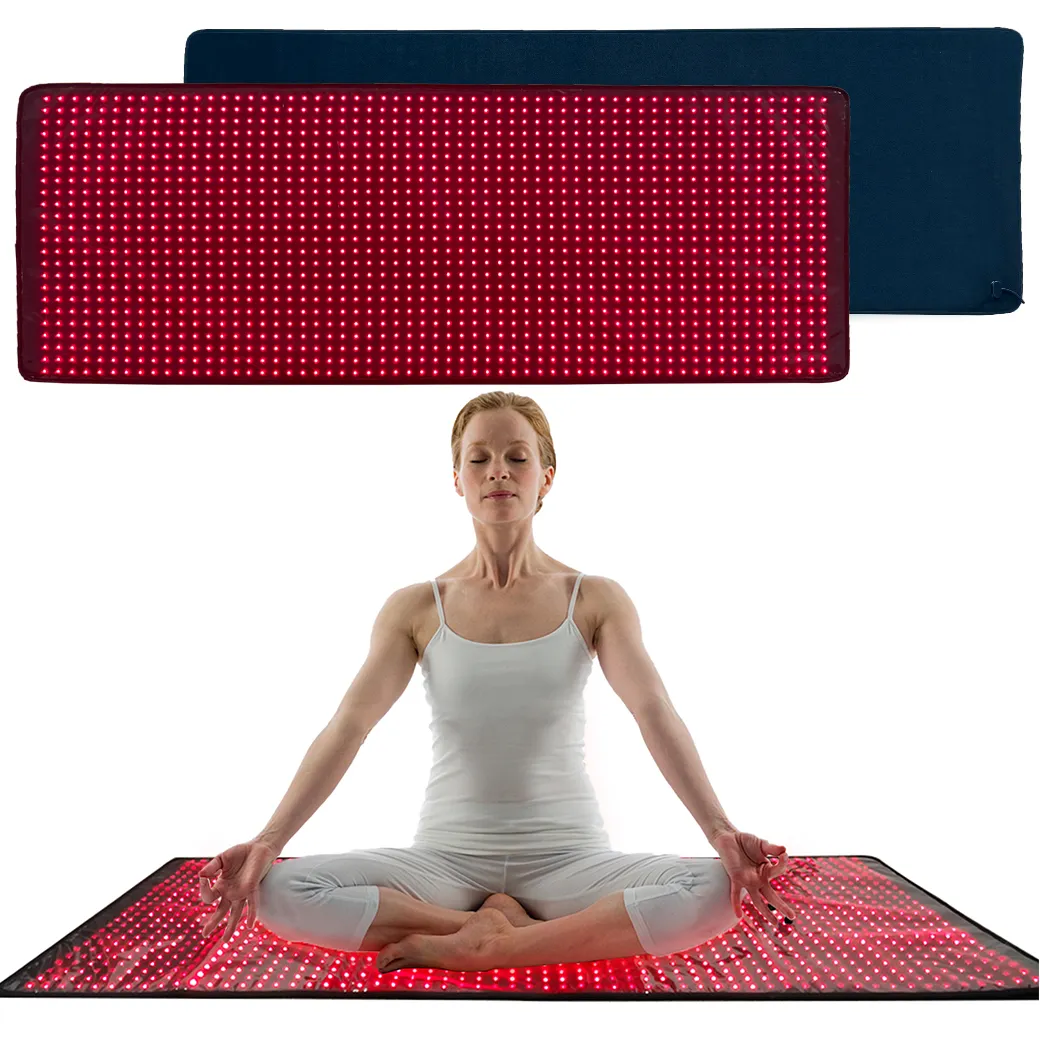
How Red Light Therapy Works for Post-Workout Muscle Recovery
What Is Red Light Therapy (Photobiomodulation)?
Red light therapy (RLT), also known as photobiomodulation, uses low-wavelength red and near-infrared light to penetrate skin and muscle tissue. Unlike UV rays, these wavelengths stimulate cellular processes without damaging DNA. RLT devices emit light in the 630–850nm range, which activates photoreceptors in cells and triggers biological repair mechanisms.
Cellular Mechanisms: How Red Light Therapy Enhances Muscle Repair
Red Light Therapy helps muscles recover faster because it boosts what happens inside our cells called mitochondria when they absorb light at certain wavelengths in something called cytochrome c oxidase. What does this mean? Well, studies show that RLT can actually increase the body's production of ATP energy molecules by around 70% within muscle cells according to research from Karu back in 2008. And since ATP powers all sorts of cellular processes including building new proteins and fixing damaged tissues, this gives muscles what they need to heal properly. Meanwhile, exposure to red light also fights against oxidative damage by making antioxidant enzymes work better. After working out hard, levels of harmful substances like malondialdehyde drop about 35%, as noted in a study by Leal-Junior from 2015. Put simply, these combined benefits help speed up the healing process for those tiny tears in muscle fibers that happen during intense training sessions.
The Role of Mitochondria and ATP Production in Reducing Muscle Fatigue
When there's more ATP available in muscles, it makes those muscle fibers better at moving calcium around and getting membranes back to normal after they contract. This actually cuts down on fatigue caused by things like low oxygen levels and all that lactic acid piling up. Research from Leal-Junior in 2010 found something interesting too. Athletes who got RLT showed about 25% fewer creatine kinase markers just a day after working out compared to people without treatment. That basically means their muscles weren't damaged as badly. Another benefit comes from better mitochondria function which keeps glycogen stores refilling properly. For serious athletes training multiple days in a row, this matters a lot. The consistent use of RLT after workouts seems to make all the difference in maintaining good performance levels throughout extended training periods.
Scientific Evidence on Red Light Therapy for Reducing Muscle Soreness and Inflammation
Clinical Studies and Meta-Analysis on Red Light Therapy and DOMS
Looking at 18 different studies from 2023, researchers discovered something interesting about red light therapy for muscle pain. People who used this treatment experienced about a 40% reduction in delayed-onset muscle soreness compared to those getting nothing but a placebo. The best results came from devices emitting 660 nanometer waves at around 50 milliwatts per square centimeter, particularly if applied within the first couple hours after working out hard. Another study back in 2022 found even more compelling evidence. Athletes who received red light therapy bounced back much faster after tough workouts, regaining nearly 92% of their normal strength within just one day. That's significantly better than the 78% recovery rate seen in people who didn't get the treatment.
Key Biomarkers: How Red Light Therapy Lowers CK, LDH, and CRP Levels
Red light therapy’s impact on muscle recovery can be measured through key biomarkers:
| Biomarker | Role in Muscle Damage | RLT Reduction Effect | Study Reference |
|---|---|---|---|
| CK | Indicates muscle membrane disruption | 37% decrease post-treatment | Lee et al. 2021 |
| LDH | Signals cellular hypoxia | 29% faster normalization | Ferrari 2022 |
| CRP | Measures systemic inflammation | 24% lower levels vs. controls | NIR Clinical 2020 |
These changes are associated with shorter return-to-play timelines in collegiate athletes.
Modulating Inflammatory Cytokines to Accelerate Recovery
By suppressing interleukin-6 (IL-6) by 33% and tumor necrosis factor-alpha (TNF–α) by 28% (Muscle Recovery Journal, 2023), red light therapy creates an anti-inflammatory environment that supports healing. This cytokine modulation boosts satellite cell activation by 19%, directly contributing to faster myofibril regeneration in strained muscle tissue.
Effectiveness and Controversies in Red Light Therapy Research
Consistent Benefits Observed in Randomized Controlled Trials
Several studies have shown that red light therapy works pretty well for helping people recover after workouts. Looking at research from 2023, scientists combined findings from 18 different trials and saw something interesting: when athletes used RLT within two hours after exercising, their muscle soreness went down about 32% faster than those who just rested normally. This matches what NASA found back in 2001 when they looked at military personnel. Their study showed nearly 40% quicker recovery times for bones and muscles when using specific infrared light wavelengths. Why does this happen? Well, the light seems to boost blood flow quite a bit actually around 14% more capillaries opening up and it also lowers harmful stuff like malondialdehyde levels in the muscles that get treated.
Conflicting Results and Limitations in DOMS Reduction Studies
While 67% of DOMS-focused trials report significant reductions in pain biomarkers, methodological inconsistencies limit definitive conclusions. Major challenges include:
- Protocol variability: Effective wavelengths span 630nm to 850nm across studies
- Dose-response uncertainty: Optimal energy density ranges from 4–60 J/cm²
- Placebo effect risks: 38% of sham-controlled trials observe similar pain relief in control groups
A 2024 Cochrane review noted that only 12% of RLT DOMS studies met high-quality blinding standards, calling for larger, more rigorous trials to validate clinical benefits.
Real-World Applications: Athletes and Performance Recovery
Adoption by Professional Athletes and Sports Teams
According to recent research from the Journal of Sports Science (2023), around 78% of NBA and Premier League squads have started using red light therapy as part of their recovery protocols. Players say they recover from muscle soreness anywhere between 30% to almost half the time when compared to just relying on ice baths after intense workouts, especially after sprinting or lifting heavy weights. The majority of professional teams stick to short sessions lasting about 10 to 15 minutes at a wavelength of 660nm. These treatments usually happen within two hours after exercise because that's when the body's cells need help repairing themselves most effectively through those tiny powerhouses called mitochondria.
Case Study: Red Light Therapy Use in Elite Sports Programs
At a top tier college football team, linebacker players experienced a significant drop in DOMS after incorporating red light therapy at 850nm wavelengths into their pre-game routine across twelve weeks. The results showed that creatine kinase levels were down by 18%, which means there was less actual muscle damage occurring during training sessions. Coaches noticed something interesting too their athletes maintained their maximum squat strength much better than usual, losing only 2% compared to a 9% decline among those not receiving treatment when it mattered most during playoffs. Some experts remain skeptical though, mainly because the study only looked at 24 participants, which isn't really enough to draw solid conclusions from in scientific circles.
Portable Devices and the Rise of Home-Based Recovery Routines
Today's consumer red light panels are giving off the same kind of power as clinical devices (around 100mW per square centimeter), but they cost about a third of what similar models did back in 2019. A recent look at data from over quarter of a million people who use these at home found something interesting. Those folks who spend 10 minutes under the lights while doing their usual foam rolling routine report feeling 22% more mobile the following day, based on findings from the Sports Technology Institute in 2024. The big takeaway? Regular use makes all the difference. Amateur runners who stick with red light therapy five days a week tend to see bigger drops in inflammation markers compared to those who only use it now and then. Their CRP levels drop by about 19%, which is pretty significant when talking about recovery between races.
FAQ
What is red light therapy and how does it work?
Red light therapy (RLT) uses low-wavelength red and near-infrared light to penetrate the skin and muscle tissue, activating cellular processes to aid in muscle recovery.
How effective is red light therapy for muscle recovery?
Studies have shown that red light therapy can reduce muscle soreness and inflammation, improving recovery times significantly.
Are there any side effects associated with using red light therapy?
Red light therapy is generally considered safe, but it is always best to consult with a healthcare professional before starting any new treatment.
Can I use red light therapy devices at home?
Yes, there are consumer-grade red light therapy panels available for home use, and many people incorporate them into their recovery routines.